
The Science Behind SexTech for Pelvic Pain with Biomedical Engineer, Dr. Soum Rakshit | Episode 11
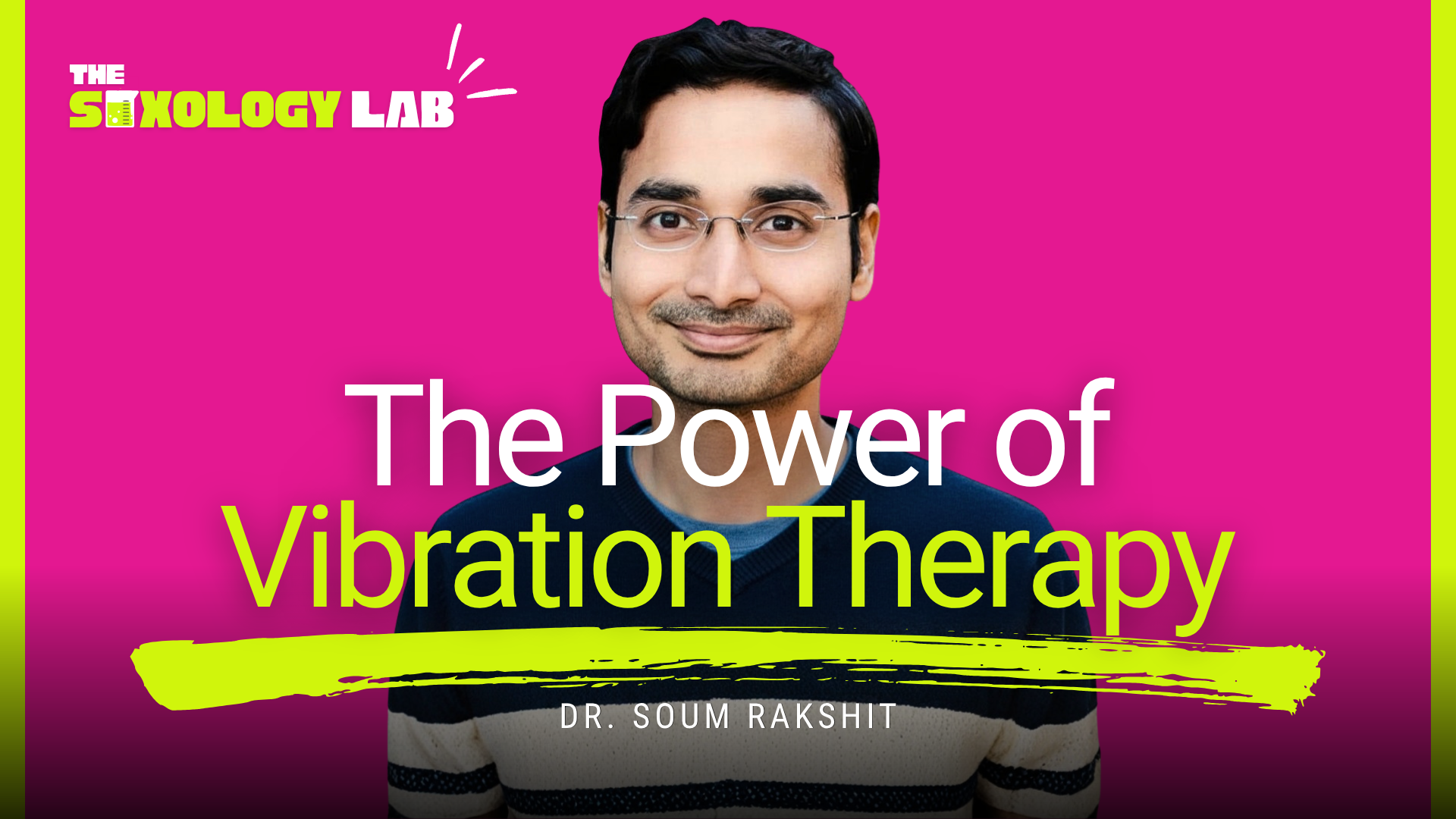
What if some of the most effective sexual health tools weren’t medications at all… but devices engineered to improve blood flow, reduce pain, and restore pleasure?
For millions of people dealing with pelvic pain, menopause, erectile dysfunction, postpartum recovery, or surgical healing, that future is already starting to happen.
What This Episode Explores
“Accessibility—not innovation—is the biggest problem in sexual healthcare.” -Dr. Soum Rakshit
SexTech is often reduced to novelty products or pleasure devices. But behind the scenes, a growing field of biomedical engineers, clinicians, and researchers are building medical-grade technology designed to address real healthcare problems.
This conversation explores how vibration therapy works, why sexual health innovation has lagged behind other medical fields, and how devices originally designed for pleasure are increasingly being validated as legitimate healthcare tools.
Guest Introduction
“Vibration therapy has over a century of clinical evidence behind it.” -Dr. Soum Rakshit
Our guest today is Dr. Soum Rakshit, founder and CEO of MysteryVibe and MV Health. With a background in biomedical engineering, Dr. Rakshit specializes in developing evidence-based sexual health devices that bridge the gap between pleasure, healthcare, and innovation.
His work focuses on helping people navigate sexual health challenges after major life events like childbirth, cancer treatment, surgery, aging, menopause, and pelvic pain conditions.
3 Key Takeaways
Sexual health support is often missing after major life events, leaving millions without accessible solutions
Vibration therapy has decades of clinical evidence supporting its role in pain relief, blood flow, arousal, and recovery
Accessibility, reimbursement, and education remain the biggest barriers in sexual healthcare innovation
Who This Episode Is For
Anyone curious about the future of SexTech and sexual medicine
People navigating pelvic pain, menopause, erectile dysfunction, or postpartum recovery
Therapists, pelvic floor specialists, and healthcare professionals
Founders and innovators interested in sexual wellness technology
Anyone who wants to understand how pleasure and healthcare intersect
In This Episode, We Cover:
What is vibration therapy and how does it work?
Why is pelvic pain still so misunderstood and under-treated?
How are medical-grade SexTech devices developed and tested?
Why do sexual health innovations struggle with reimbursement and funding?
What’s the difference between consumer SexTech and clinical SexTech?
How can devices complement medication and therapy?
What does the future of personalized hormone care look like?
Vibration Therapy Quick Answer Section
Does vibration therapy actually work for pelvic pain and sexual health?
Yes. Clinical evidence shows vibration therapy can improve blood flow, reduce pain, support arousal, and assist in recovery for conditions related to pelvic floor dysfunction, erectile health, and sexual wellness.
Why is sexual healthcare innovation so slow?
Sexual health products face barriers including stigma, lack of reimbursement codes, limited education, and the long timelines required for medical-grade testing and regulatory approval.
Expanded Insight
“We’re not inventing new science. We’re engineering better access to it.” -Dr. Soum Rakshit
One of the most surprising parts of this conversation is that vibration therapy is not new science.
Most people associate vibrators exclusively with pleasure, but vibration was originally developed and studied as a medical intervention long before it entered mainstream sexual culture. According to Dr. Rakshit, there is more than a century of research supporting the role of vibration in improving circulation, reducing pain, and supporting sexual function.
The challenge is not proving the science. The challenge is access.
Many people dealing with pelvic pain, postpartum complications, menopause symptoms, or erectile dysfunction still struggle to find specialists, affordable care, or even basic education about their condition. And because many sexual health concerns are considered “quality of life” issues rather than life-threatening conditions, they are often deprioritized by healthcare systems.
This creates a massive gap between what technology can do and what people can actually access.
Another major theme in this episode is the shift toward personalized sexual medicine.
Dr. Rakshit discusses the future of continuous hormone monitoring and individualized healthcare, where treatment could eventually adapt to someone’s hormone levels in real time. That future may sound futuristic, but many of the technologies already exist in adjacent healthcare fields.
The conversation also highlights something rarely discussed in healthcare innovation: how difficult it is to build medical-grade hardware.
Unlike software startups that can launch quickly and iterate publicly, medical device companies often spend years in research, testing, redesign, and regulatory approval before a single product reaches patients. In sexual health, those challenges are amplified by stigma, limited funding, and restrictive advertising policies.
Yet despite those barriers, this field continues to grow because the need is undeniable.
Want More Conversations Like This?
If you want deeper, research driven conversations about sex, relationships, and culture, join the Sexology Lab newsletter. Get expert insights, real world perspectives, and conversations that challenge outdated thinking and replace it with something more useful.
About The Sexology Lab
The Sexology Lab explores the intersection of sexual health, psychology, and culture. Through expert conversations, we challenge outdated narratives and provide research driven insights into relationships, desire, and human behavior.
