
The Missing Science Behind Women's Health and Chronic Pain | Dr. Maria Uloko | Episode 2
Why So Many People Are Still Being Misdiagnosed
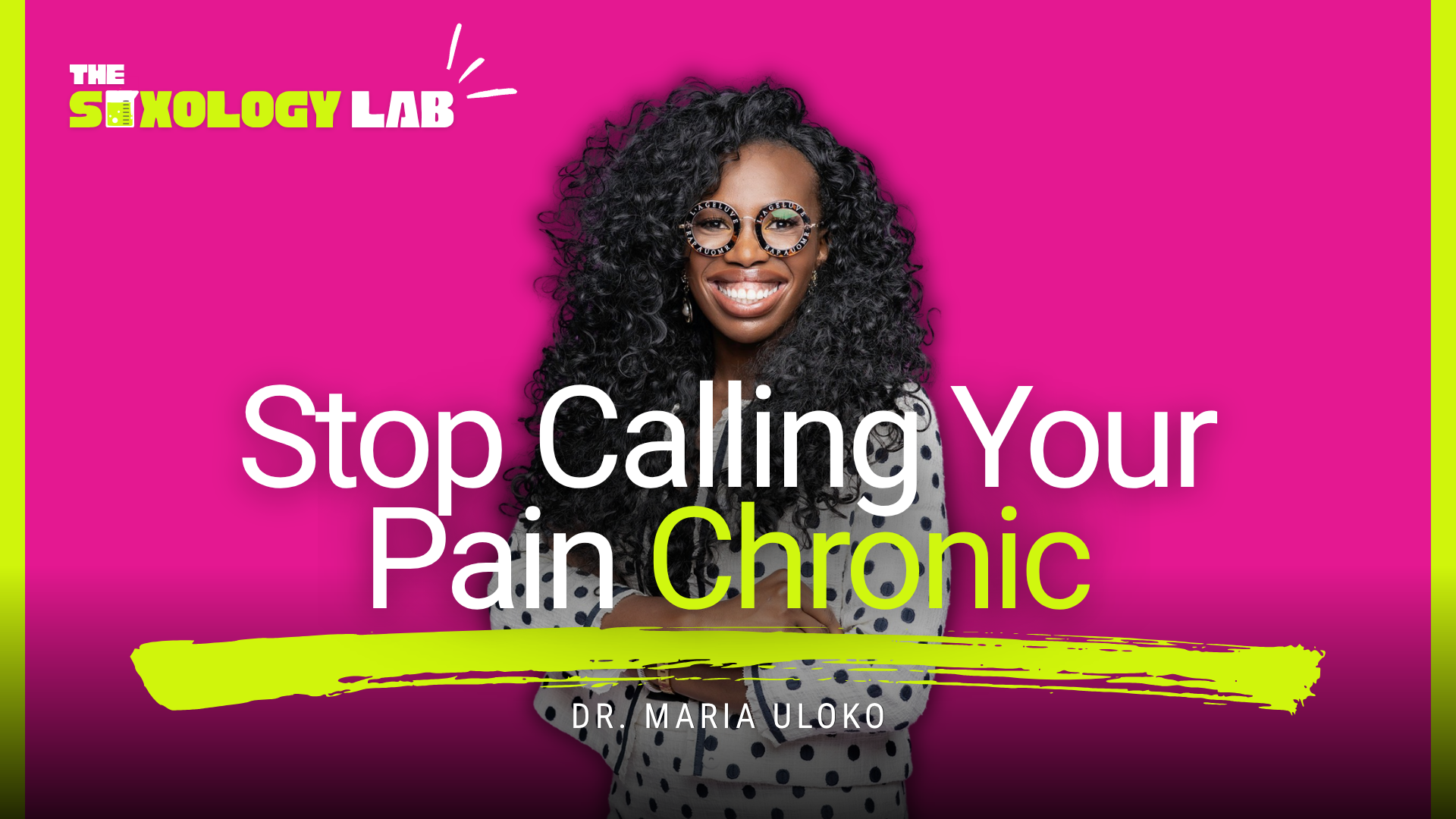
Every time we sit down with Dr. Maria Uloko, we are reminded just how much of sexual health is still misunderstood. She brings a level of clarity and conviction that makes you realize how many people are suffering not because their conditions are complex, but because they are being missed entirely. This is one of those conversations that feels both eye-opening and deeply validating.
We trust the medical system to understand our bodies. But what if the system was never trained to do that in the first place?
Millions of people are living with pain, infections, and sexual health concerns that are labeled chronic when they are actually misdiagnosed. The real issue is not complexity. It is a lack of education, research, and curiosity.
What This Episode Explores
In this episode of The Sexology Lab, Dr. Maria Uloko breaks down the massive gaps in medical education around vulvar and sexual health.
From her journey as a Nigerian immigrant to becoming a leading urologist and sexual medicine specialist, she shares why so many patients are misdiagnosed and what needs to change. The conversation explores the role of hormones, the importance of understanding anatomy, and why both clinicians and patients need to rethink what they have been taught.
At the core of this episode is a simple but powerful idea. Many conditions people are told they have to live with are actually treatable.
Guest Introduction
Dr. Maria Uloko is an internationally recognized urologist and sexual medicine specialist. Her work focuses on vulvar health, menopause, and regenerative sexual medicine. She is known for her research, global physician training, and advocacy work addressing major gaps in women’s healthcare.
3 Key Takeaways
Many conditions labeled chronic are actually misdiagnosed and treatable
Patients need to understand their anatomy to advocate for themselves
Hormonal health plays a critical role in vulvar, bladder, and sexual function
Who This Episode Is For
People experiencing recurrent UTIs, pelvic pain, or unexplained symptoms
Anyone navigating menopause or hormonal changes
Healthcare professionals working in sexual health
Individuals who want to better understand their bodies
In This Episode, We Cover
Why vulvar health is often misunderstood in medicine
What causes recurrent UTIs and why they are misdiagnosed
How hormones impact vulvar and bladder health
Why many conditions are labeled chronic incorrectly
The role of patient advocacy in healthcare
How medical education is failing sexual health
Why research is essential to improving outcomes
What Is Vulvar Health and Why Does It Matter?
“Many conditions labeled chronic are actually misdiagnosed and treatable.” – Dr. Maria Uloko
Vulvar health refers to the function and wellbeing of the external genital anatomy. It plays a critical role in sexual health, urinary health, and overall quality of life.
Despite its importance, most clinicians are not trained to fully understand vulvar anatomy or physiology. This gap leads to high rates of misdiagnosis and untreated conditions.
Why So Many Conditions Are Misdiagnosed
“Patients should not have to suffer because the system failed to train their doctors.” – Dr. Maria Uloko
Many patients are told they have chronic conditions when they actually have treatable issues. Misdiagnosis often happens because clinicians lack training in vulvar physiology and the impact of hormones.
Patients can spend years searching for answers, often being dismissed or given incomplete diagnoses along the way.
This is not just a medical issue. It is a systemic one.
How Hormones Impact Vulvar Health and UTIs
Hormones play a central role in vulvar health. Both estrogen and testosterone are required to maintain healthy tissue.
When hormone levels shift due to menopause, birth control, or other factors, the vulva can become inflamed. This can lead to symptoms like pain, dryness, and recurrent UTIs.
In many cases, restoring hormonal balance can significantly improve or resolve these issues.
Why Menopause Is Not a Decline
Menopause is often framed as a loss.
In reality, it is a transition that can be supported with the right care and information.
Hormone therapy, when used appropriately, can improve quality of life, reduce symptoms, and support long-term health. The problem is not menopause itself. It is the lack of education and access to proper treatment.
How Medical Education Is Failing Sexual Health
“You don’t know what you don’t know, and that is the biggest problem in medical education.” – Dr. Maria Uloko
Most clinicians are not trained in the complexities of vulvar anatomy or sexual health. This is not due to lack of effort. It is due to outdated curricula and limited research funding.
As a result, patients are often misdiagnosed, dismissed, or told their symptoms are something they simply have to live with.
The solution starts with curiosity, better training, and a commitment to ongoing research.
Quick Answers About Vulvar Health
What is vulvar health?
Vulvar health refers to the condition and function of the external genital tissue. It affects sexual health, urinary health, and overall wellbeing.
Why are vulvar conditions often misdiagnosed?
Vulvar conditions are often misdiagnosed because many clinicians are not trained in vulvar anatomy or hormonal influences, leading to delayed or incorrect treatment.
A Deeper Look at Advocacy and Awareness
One of the most important ideas in this episode is the power of patient advocacy.
When patients understand their anatomy, they are better equipped to ask questions, challenge diagnoses, and seek the care they deserve.
Grassroots movements and advocacy groups are helping to push this conversation forward, but real change requires both patients and clinicians to stay curious and informed.
This is how the system begins to shift. It’s important for medical professionals to become trained in sexual health.
Episode Breakdown
00:00 Empowering patients through education and advocacy
01:31 Gaps in medical education and research
05:14 Dr. Uloko’s journey into sexual medicine
09:52 The rise of patient advocacy groups
11:34 Vulvar regeneration and bladder health
13:58 Breaking cycles of shame
17:13 Rethinking chronic conditions
20:13 Patient education and system change
21:27 Addressing medical bias
24:30 The role of research in advocacy
30:29 Becoming a more curious clinician
32:21 Hormones and vulvar health
38:59 Rethinking menopause
41:13 Debunking hormone therapy myths
44:31 The history of clitoral research
47:30 Practical insights and resources
49:49 Final message for the next generation
Listen to the Episode
Listen to this episode and and subscribe to The Sexology Lab onApple Podcasts,Spotify, andYouTube.
Want More Conversations Like This?
If you want deeper, research driven conversations about sex, health, and the body, join The Sexology Lab newsletter. Get expert insights and real-world perspectives that challenge outdated thinking.
Resources and Links
Explore more from Dr. Maria Uloko:
https://www.mariaulokomd.com/https://vulvai.co/
The Sexology Lab is powered by Sexual Health Alliance, a global hub for certifications, education, and community in sexual health. Learn more at: https://sexualhealthalliance.com/
Recommended reading: When Sex Hurts: Understanding and Healing Pelvic Pain
Frequently Asked Questions
How does menopause affect vulvar health?
Menopause can reduce hormone levels, leading to changes in vulvar tissue that may cause pain, dryness, or infections.
Why are recurrent UTIs often misdiagnosed?
Many recurrent UTIs are actually linked to vulvar inflammation or hormonal imbalance rather than issues within the urinary system.
Can hormonal treatment improve vulvar health?
Yes, in many cases restoring hormonal balance can significantly improve symptoms and overall tissue health.
About The Sexology Lab
The Sexology Lab explores the intersection of sexual health, psychology, and culture. Through expert conversations, we challenge outdated narratives and provide research driven insights into relationships, desire, and human behavior.
