
Building SAALT: How Cherie Hoeger Turned Period Care Into a Global Mission | Episode 19
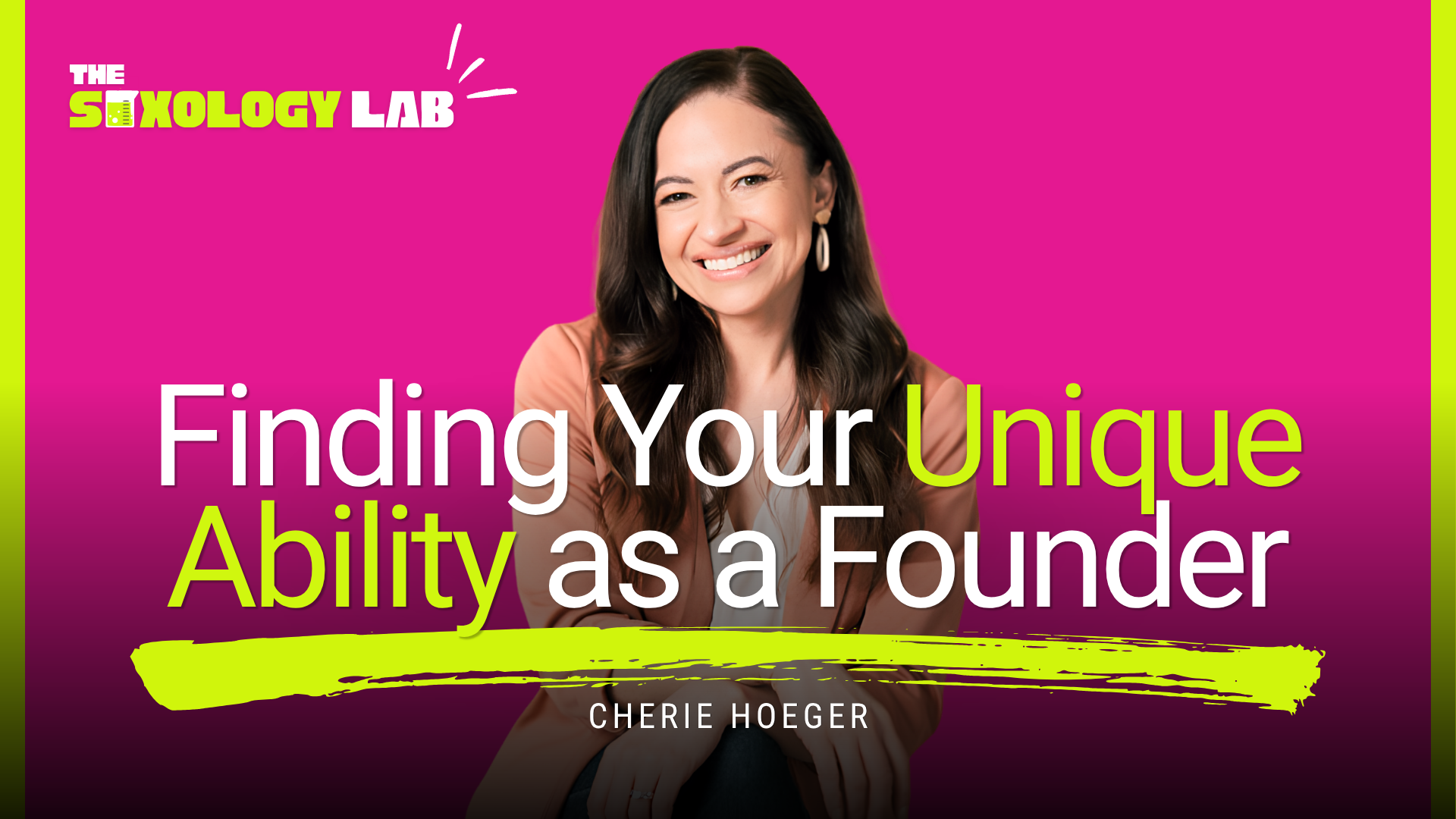
Half the world's population menstruates.
Yet periods remain one of the most stigmatized—and overlooked—topics in healthcare.
For millions of women and girls, access to something as basic as period products can determine whether they attend school, keep a job, or participate fully in everyday life. What if solving period poverty required rethinking not only the products we use, but the entire system surrounding menstrual health?
What This Episode Explores
"Business takes hustle, and it's really an energy game." — Cherie Hoeger
Period care has changed dramatically over the past decade.
Reusable menstrual cups, discs, and period underwear have become increasingly mainstream, offering sustainable alternatives to disposable products. But according to SAALT founder Cherie Hoeger, the biggest opportunity isn't simply creating better products—it's changing how society talks about periods.
In this episode, Cherie shares how a single phone call from a family member in Venezuela inspired the creation of SAALT, one of the leading brands in sustainable period care. She also discusses entrepreneurship, branding, leadership, sustainability, and why ending period poverty requires education, clean water, and long-term solutions—not just product donations.
Guest Introduction
"Don't let life happen to you. Take control of your life and go for your big dreams." — Cherie Hoeger
Cherie Hoeger is the CEO and co-founder of SAALT, a certified B Corporation dedicated to modernizing sustainable period care through reusable menstrual cups, menstrual discs, period underwear, and educational resources.
Since launching in 2018, SAALT has grown into a global company committed to improving menstrual health while reducing environmental waste. Through SAALT Gives, the company has donated more than 150,000 reusable period products across dozens of countries while investing in clean water projects and menstrual health education around the world.
Cherie is also a sought-after entrepreneur, speaker, and advocate for women-led businesses, sustainable innovation, and social impact.
3 Key Takeaways
Sustainable period products improve comfort, reduce waste, and create long-term access for people who menstruate.
Building a successful mission-driven company requires intentional branding, strong leadership, and hiring people who complement your strengths.
Ending global period poverty requires combining reusable products with education, clean water access, and community partnerships.
Who This Episode Is For
Entrepreneurs building purpose-driven companies
Healthcare professionals interested in women's health innovation
Parents preparing children for puberty and menstruation
Sustainability advocates
Anyone curious about menstrual health, period poverty, and reusable period products
In This Episode, We Cover
What inspired the creation of SAALT?
Why are menstrual cups and period discs becoming more popular?
How do reusable period products help reduce period poverty?
What makes a mission-driven business successful?
Why does branding matter in stigmatized industries?
What is work-life integration?
How can companies build authentic social impact?
What does the future of sustainable period care look like?
Sustainable Period Care Quick Answer Section
What is sustainable period care?
Sustainable period care refers to reusable menstrual products such as menstrual cups, menstrual discs, and period underwear that reduce environmental waste while providing long-term menstrual protection. Many products can last for years, making them both environmentally and economically beneficial.
How do reusable menstrual products help fight period poverty?
Unlike disposable pads and tampons that require continuous purchasing, reusable products can provide years of menstrual protection. Combined with education and clean water access, they offer a sustainable solution for communities with limited access to menstrual supplies.
Expanded Insight
"People can do better if they know better." — Cherie Hoeger
One of the most powerful ideas in this conversation is that period care is about much more than periods.
It's about education.
It's about opportunity.
It's about dignity.
Cherie's journey began not in a boardroom, but during a phone call with her aunt in Venezuela, who could no longer access basic menstrual products because of economic instability.
That conversation sparked a question many people never think to ask:
What happens when someone simply can't access period products?
For millions of women and girls around the world, the answer affects nearly every part of life.
Some miss school.
Some miss work.
Some rely on unsafe alternatives.
Others experience shame simply because they cannot manage a completely normal biological process.
Cherie realized that reusable menstrual products offered something unique.
A menstrual cup can last up to ten years.
A pair of reusable period underwear replaces hundreds of disposable products.
For many communities, that changes the entire equation.
But products alone are not enough.
Throughout the conversation, Cherie repeatedly emphasizes that sustainable solutions require systems.
Clean water.
Menstrual education.
Community partnerships.
Healthcare access.
Infrastructure.
Without those pieces working together, even the best products have limited impact.
The conversation also offers valuable lessons for entrepreneurs.
Rather than separating purpose from business, Cherie argues they should reinforce one another.
Its company culture centers on shared values rather than simply maximizing growth.
Its philanthropic work is built around long-term partnerships instead of one-time donations.
Perhaps the most unexpected lesson comes from Cherie's philosophy on work-life integration.
As the mother of six children while leading a global company, she rejects the idea that perfect balance exists.
Instead, she encourages founders to build lives intentionally—aligning their time, values, and energy around what matters most.
Whether discussing entrepreneurship or menstrual health, the underlying message remains remarkably consistent:
Real change happens when we stop accepting outdated systems and begin designing better ones.
Listen to the Episode
Listen on Apple Podcasts, Spotify, or YouTube to hear Cherie Hoeger share how SAALT grew from a startup into a global leader in sustainable period care—and why the future of women's health depends on innovation, education, and bold conversations.
Related Topics
Who Taught You About Pleasure? Laura Ramadei on Adult Media and Performance | Episode 18
"Just Open Your Legs": The Female Pleasure Gap in Nigeria with Dr. Tolulope Oko-Igaire | Episode 17
The Missing Science Behind Women's Health and Chronic Pain | Dr. Maria Uloko | Episode 2
Want More Conversations Like This?
If you want deeper, research driven conversations about sex, relationships, and culture, join the Sexology Lab newsletter. Get expert insights, real world perspectives, and conversations that challenge outdated thinking and replace it with something more useful.
About The Sexology Lab
The Sexology Lab explores the intersection of sexual health, psychology, and culture. Through expert conversations, we challenge outdated narratives and provide research driven insights into relationships, desire, and human behavior.
