
Forensic Psychology, Bias, and Criminalizing Desire | Dr. David Ley | Episode 6
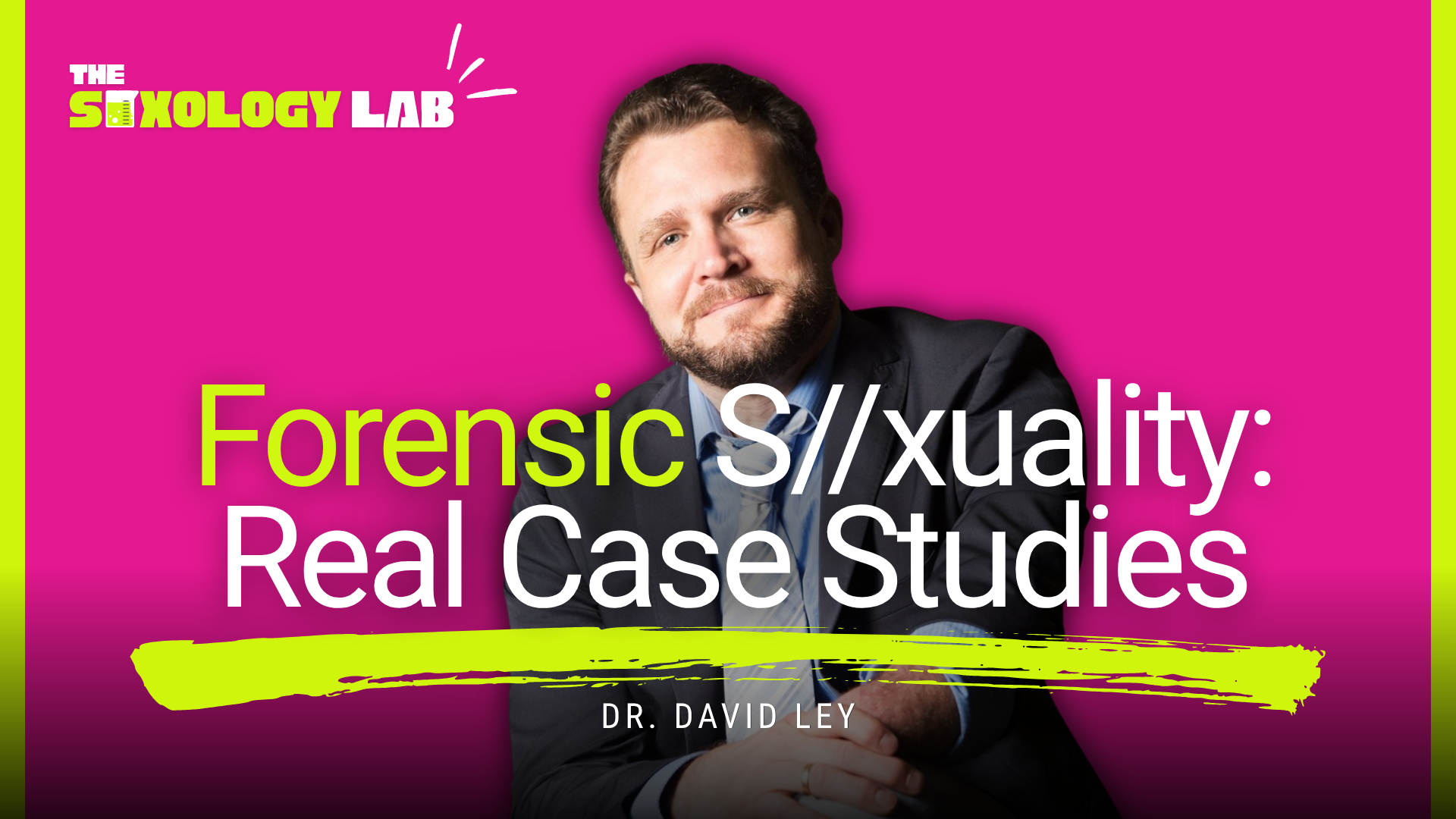
What Happens When the Law Gets Sex Wrong?
Most people assume that legal decisions about sex are based on science, evidence, and clear definitions.
They are not.
Dr. David Ley reminds us how often fear, bias, and cultural discomfort shape outcomes instead of facts. And once you see it, you cannot unsee it.
What This Episode Explores
This conversation pulls back the curtain on how sexuality shows up in the legal system.
From courtrooms to online sting operations, Dr David Ley explains how misunderstood sexual behaviors are often pathologized, criminalized, or misinterpreted. We explore how juries think, how memory fails us, and why even consensual behavior can be judged through a lens of shame.
This matters now more than ever. As technology evolves and cultural tensions rise, sexuality-related legal cases are increasing, and the consequences are real.
Guest Introduction
Dr David Ley is a clinical psychologist and internationally recognized expert in forensic sexuality, pornography, and mental health. He serves as an advisor to Sexual Health Alliance and regularly testifies in court to help juries and judges understand complex sexual behaviors through a scientific lens.
3 Key Takeaways
Many legal decisions about sexuality are shaped by bias and cultural stigma rather than science
Memory is highly unreliable, even in high-stakes situations like sexual assault cases
Consensual sexual behaviors such as kink and non-monogamy are often misunderstood and unfairly criminalized
Who This Episode Is For
Sexual health professionals and therapists
Anyone interested in the intersection of sex, law, and psychology
People curious about how kink, porn, and consent are viewed legally
Professionals considering forensic or expert witness work
In This Episode, We Cover
What is forensic sexuality and what do expert witnesses actually do
How bias influences legal decisions about sex
Why memory is unreliable in court cases
The myth of sex addiction in legal systems
How kink and consensual non-consent are misunderstood legally
The rise of online sting operations and their risks
Why there is a growing “war on sex”
What Is Forensic Sexuality?
Forensic sexuality sits at the intersection of psychology, law, and human behavior.
It involves evaluating sexual behaviors, explaining them in court, and helping judges and juries make decisions based on science rather than assumption.
Dr David Ley’s role is not to decide guilt or innocence. His job is to translate complex sexual topics into language that everyday people can understand.
Why Legal Systems Misunderstand Sexual Behavior
One of the biggest problems in the legal system is not lack of information.
It is misinformation.
“There is so much ignorance and myth around sexuality that experts have a responsibility to educate the court.” - Dr. David Ley
Many jurors bring personal beliefs, cultural norms, and discomfort into the courtroom. When those beliefs are not challenged, they can shape outcomes in powerful ways.
This is especially true for behaviors that fall outside of traditional norms.
Why Memory Is Not Reliable Evidence
One of the most surprising insights from this conversation is how unreliable memory actually is.
People often think memory works like a recording. It does not.
Memory is influenced by language, emotion, and time. Even small changes in wording can alter how events are remembered.
“Confidence in a memory is not evidence that it is accurate.” - Dr. David Ley
This has major implications in legal cases, especially when memory is the primary evidence.
How Kink and Consent Get Misinterpreted
Consensual sexual behavior is often misunderstood in legal settings.
Practices like consensual non-consent, role play, or kink dynamics can be interpreted as harmful or abusive when viewed through a lens of bias.
Dr Ley highlights how this misunderstanding can lead to serious consequences, including wrongful prosecution or unfair sentencing.
The issue is not the behavior itself.
It is the lack of education around it.
The Rise of Online Sting Operations
One of the most concerning trends discussed in this episode is the increase in online sting operations.
Originally designed to catch predators targeting minors, these operations are now entering adult spaces like kink communities and dating platforms.
This creates risk for people engaging in legal, consensual behavior.
Without proper understanding of subcultures like age play, law enforcement can misinterpret interactions and pursue charges that do not reflect reality.
The “War on Sex” and Cultural Bias
“There is a growing war on sex right now.” - Dr. David Ley
Dr Ley describes a broader cultural shift where sexual expression is increasingly scrutinized, especially when it challenges traditional norms.
Cases involving non-monogamy, pornography, or kink are often judged more harshly, not because of harm, but because of discomfort.
This creates a system where sexuality is treated differently from other human behaviors.
Quick Answers About Sex and the Law
Are legal decisions about sex based on science?
Not always. Many legal decisions are influenced by cultural beliefs, bias, and misunderstanding rather than scientific evidence.
Why is memory unreliable in court cases?
Memory is shaped by perception, language, and time. It can change over time and is not a perfect record of events.
A Deeper Look at Shame, Bias, and Power
At the center of this conversation is one powerful idea.
Sexual shame drives misunderstanding.
When people do not examine their own beliefs about sex, those beliefs influence how they judge others.
“Examine your sexual shame.” - Dr. David Ley
This applies not just to individuals, but to entire systems.
The more we challenge stigma and replace it with education, the more fair and informed our decisions become.
Episode Breakdown
00:00 Introduction to Dr David Ley
02:00 Introversion and public-facing work
05:00 Origin story in forensic sexuality
10:30 Role of expert witnesses in court
15:00 The myth of sex addiction in legal cases
20:00 Why memory is unreliable
30:00 Cultural bias in legal cases
45:00 Online sting operations
55:00 Kink and consent misunderstandings
01:05:00 Growth in sexuality-related cases
01:10:00 Advice for professionals
01:15:00 Lightning round
01:22:00 Final message on sexual shame
Listen to the Episode
Listen and subscribe to The Sexology Lab on Apple Podcasts, Spotify, and YouTube.
Want More Conversations Like This
If you want deeper insight into sexuality, psychology, and culture, join The Sexology Lab newsletter. for expert conversations and practical takeaways.
Resources and Links
Learn more about Dr David Ley:
The Sexology Lab is powered by Sexual Health Alliance, a global hub for certifications, education, and community in sexual health.
Visit:https://sexualhealthalliance.com/
If you enjoyed this episode, subscribe and leave a review to help more people find these conversations.
Frequently Asked Questions
What is forensic sexuality?
Forensic sexuality involves applying psychological expertise to legal cases involving sexual behavior, helping courts understand complex topics through science.
How does bias affect legal decisions about sex?
Bias can shape how juries and judges interpret behavior, often leading to unfair or inaccurate conclusions.
Are kink and non-monogamy illegal?
No. Consensual behaviors between adults are legal, but they are often misunderstood in legal contexts.
How to Apply This
Question assumptions about sexuality
Seek evidence-based information, not cultural myths
Understand how bias can shape decisions
Learn about consent, kink, and diverse sexual expression
Examine your own beliefs and where they come from
About The Sexology Lab
The Sexology Lab explores the science, psychology, and culture of human sexuality. Through expert conversations, we challenge outdated narratives and provide research-driven insights into relationships, behavior, and sexual health.
