
Shame and the Problem with Calling Everything an Addiction with Michael Vigorito | Episode 16
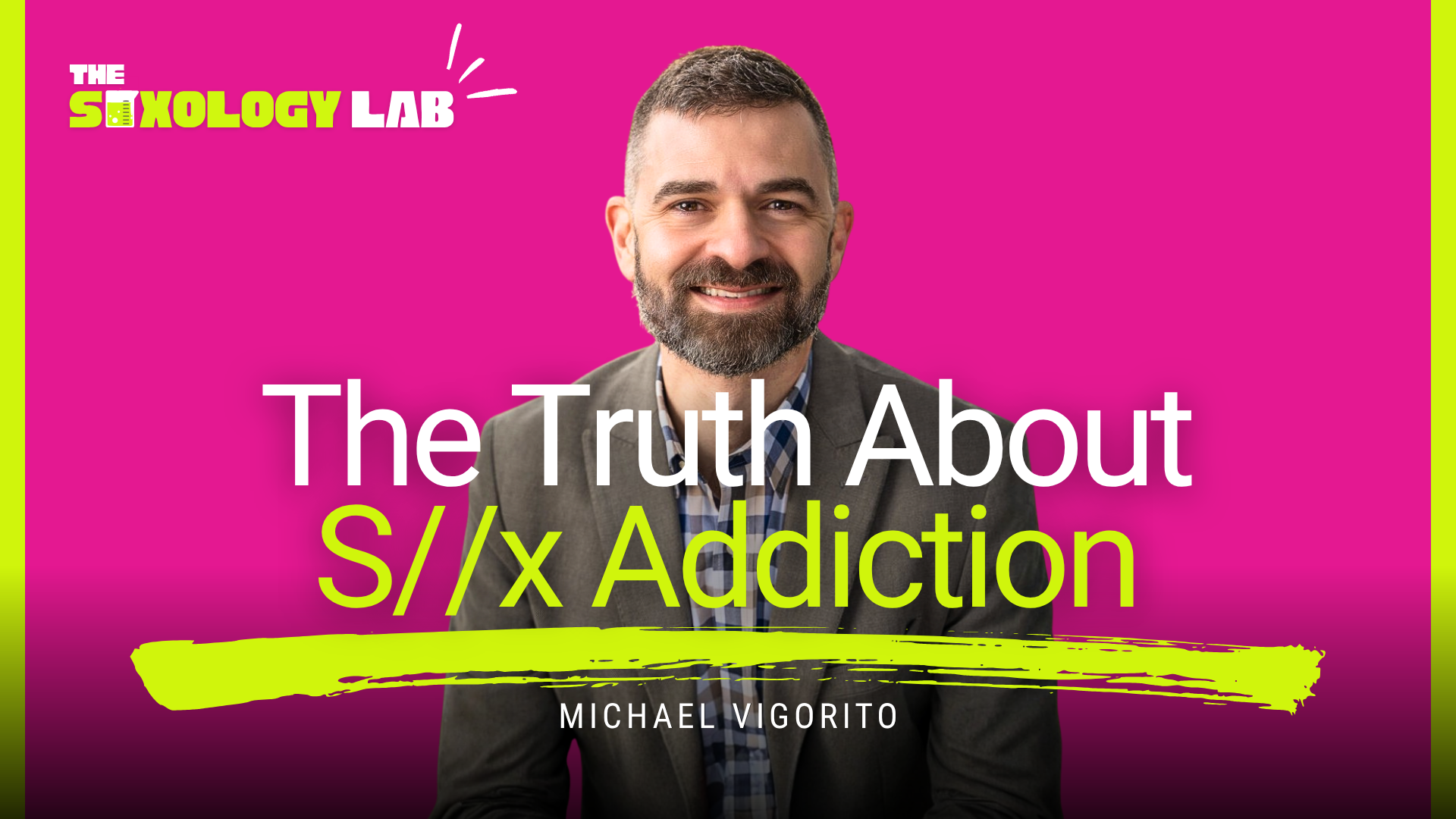
Few topics in sexual health create as much controversy as sex addiction.
Some people view it as a legitimate clinical condition. Others argue that the label creates more shame than understanding. And for many individuals struggling with sexual behaviors they feel unable to control, the debate can feel deeply personal.
What if the most important question isn't whether someone is a sex addict—but why they feel out of control in the first place?
What This Episode Explores
"I use the term out-of-control sexual behavior as a placeholder so we can get curious about all the factors that contribute to why someone feels out of control." — Michael Vigorito
For decades, the concept of sex addiction has shaped how many people understand problematic sexual behavior. Yet many sexual health professionals have increasingly challenged the addiction framework, arguing that it often oversimplifies a far more complex reality.
In this episode, Michael Vigorito explores why people identify as sex addicts, what research actually says about out-of-control sexual behavior, and how shame, culture, relationships, mental health, and erotic identity all influence the way people experience their sexuality.
The conversation offers a more nuanced perspective—one focused on curiosity, self-understanding, and integration rather than labels and judgment.
Guest Introduction
"Sexual health conversations happen in the details." — Michael Vigorito
Our guest today is Michael Vigorito, a licensed psychotherapist, AASECT Certified Sex Therapist, author, educator, and co-director of Sexual Health Alliance's Advanced Certification in Problem Sexual Behavior.
For decades, Michael has worked with individuals navigating compulsive sexual behavior, relationship challenges, shame, and erotic identity development. His work emphasizes evidence-informed approaches that help clients better understand the factors contributing to their behavior rather than reducing complex experiences to a single diagnosis.
3 Key Takeaways
Many people who identify as sex addicts are experiencing shame, moral conflict, relationship distress, or other factors that deserve deeper exploration.
Out-of-control sexual behavioris often influenced by multiple variables, including mental health, values, attachment patterns, trauma, and erotic development.
Curiosity and self-understanding often produce better outcomes than shame-based approaches to behavior change.
Who This Episode Is For
Therapists, coaches, and counselors working with sexual concerns
Individuals questioning their relationship with pornography or sexual behavior
People interested in sexual health and relationship science
Professionals exploring alternatives to the sex addiction model
Anyone curious about the intersection of sexuality, shame, and identity
In This Episode, We Cover:
Is sex addiction a legitimate diagnosis?
What is out-of-control sexual behavior?
Why do so many people identify as sex addicts?
How do shame and moral conflict influence sexual distress?
What role does religion play in sexual self-perception?
What is erotic orientation?
How should therapists approach problematic sexual behavior?
Why do labels sometimes create more harm than help?
Sex Addiction Quick Answer Section
Is sex addiction a recognized mental health diagnosis?
Sex addiction is not currently recognized as an official diagnosis in the DSM-5. Many sexual health professionals instead use frameworks such as out-of-control sexual behavior or compulsive sexual behavior to better understand the factors contributing to distress.
What causes out-of-control sexual behavior?
There is no single cause. Factors may include anxiety, depression, ADHD, relationship conflict, trauma, shame, moral incongruence, loneliness, attachment concerns, or difficulty integrating aspects of one's sexual identity.
Expanded Insight
"Shame is antithetical to intimacy. Intimacy is about being seen, and shame is about not being seen." — Michael Vigorito
One of the most compelling moments in this conversation comes when Michael explains why he avoids the term "sex addiction."
For many people, the label initially feels comforting. It provides an explanation. It creates a story that makes confusing experiences feel more manageable.
But according to Michael, labels can also stop exploration before it begins.
When someone identifies as a sex addict, the focus often shifts toward controlling or eliminating behavior. The deeper questions may never get asked.
Why is this behavior happening?
What function is it serving?
What emotions, conflicts, beliefs, or unmet needs might be involved?
These questions matter because problematic sexual behavior rarely exists in isolation.
Some people struggle with anxiety.
Others are navigating depression or ADHD.
Some are dealing with intense shame rooted in religion, culture, or family messaging.
Others are wrestling with erotic interests they have been taught are unacceptable.
In many cases, sexual behavior becomes the visible symptom of a much larger story.
The conversation also explores the concept of moral incongruence—when a person's sexual behavior conflicts with their values or beliefs. Research increasingly suggests that shame and values conflict can contribute significantly to distress, even when the behavior itself is not objectively harmful.
This does not mean behavior should never change.
Rather, it means effective treatment requires understanding the whole person.
Michael repeatedly returns to the idea of integration.
Instead of trying to eliminate parts of ourselves, the goal is often to understand them. To make sense of desires, values, relationships, and identities in a way that supports health, responsibility, and authenticity.
That process requires curiosity.
And curiosity may be one of the most powerful tools in sexual health.
Listen to the Episode
Listen on Apple Podcasts, Spotify, or YouTube to hear Michael Vigorito unpack the myths, misconceptions, and complexities surrounding sex addiction and out-of-control sexual behavior.
Related Topics
Why Relationship Problems Start in Childhood | Imago Therapy with Dr. Joe Kort | Episode 9
Forensic Psychology, Bias, and Criminalizing Desire | Dr. David Ley | Episode 6
The Myth of 'Normal' in Intimacy and Relationships | Dr. Chris Donaghue | Episode 1
Want More Conversations Like This?
If you want deeper, research driven conversations about sex, relationships, and culture, join the Sexology Lab newsletter. Get expert insights, real world perspectives, and conversations that challenge outdated thinking and replace it with something more useful.
About The Sexology Lab
The Sexology Lab explores the intersection of sexual health, psychology, and culture. Through expert conversations, we challenge outdated narratives and provide research driven insights into relationships, desire, and human behavior.
