
Energy Drainers vs Energy Gainers: Restoring Connection to Pleasure with Dr. Shannon Chavez | Episode 14
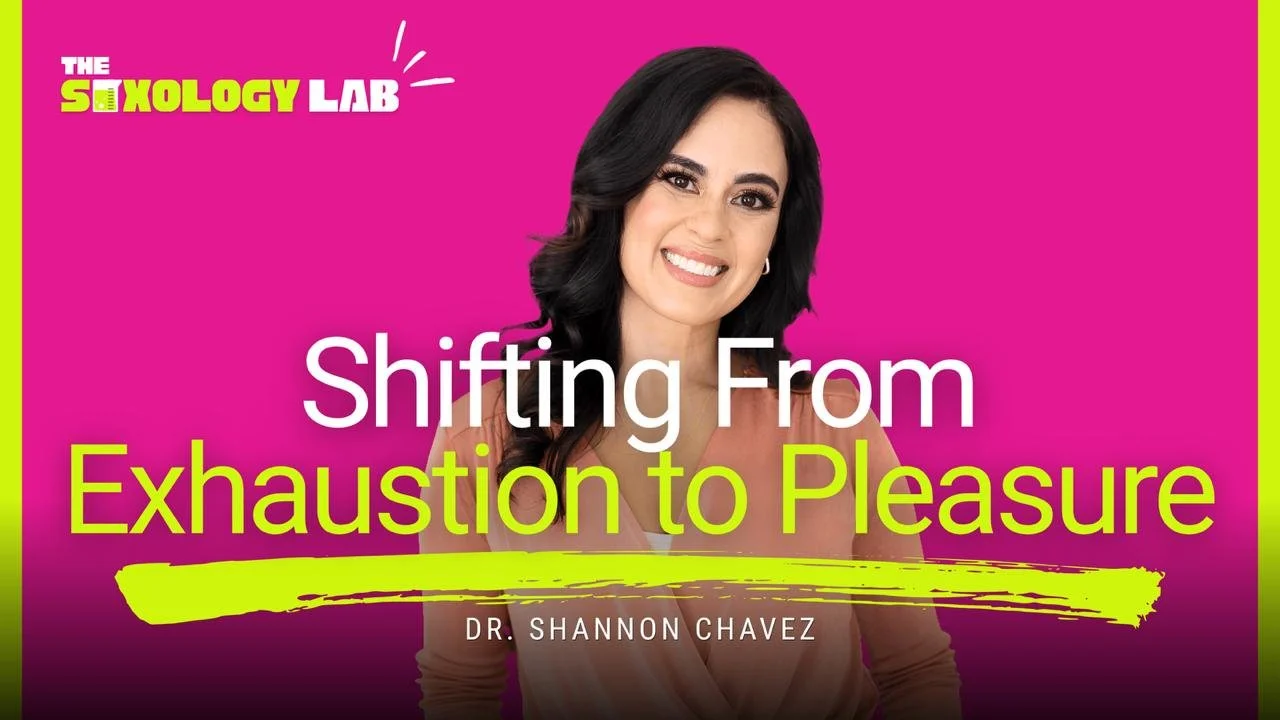
What if low libido isn’t actually a sex problem?
What if the real issue is stress, nervous system overload, emotional disconnection, or simply feeling exhausted from trying to hold everything together?
In a culture obsessed with productivity, optimization, and constant stimulation, many people are looking for ways to improve their sex lives while ignoring the foundation intimacy depends on: emotional safety.
What This Episode Explores
“Low desire is often a signal, not a problem.” - Dr. Shannon Chavez
When people experience low desire, relationship tension, or sexual disconnection, they often assume something is broken.
But according to Dr. Shannon Chavez, many sexual concerns are actually signals from the body rather than problems that need fixing.
This conversation explores how stress affects libido, how attachment patterns show up in the bedroom, why emotional safety is essential for intimacy, and how trauma-informed, holistic approaches can help people reconnect with pleasure and connection.
Guest Introduction
“Sometimes the most healing thing you can do is stop trying to fix and simply be present.” - Dr. Shannon Chavez
Our guest today is Dr. Shannon Chavez, a licensed clinical psychologist and AASECT-certified sex therapist known for her integrative approach to sexual wellness. Her work combines evidence-based psychology, attachment theory, sexual medicine, somatic practices, and holistic wellness to help individuals and couples create more satisfying relationships.
She has worked with clients around the world and is recognized for her expertise in desire, trauma, emotional intimacy, and multicultural approaches to sexuality.
3 Key Takeaways
Low desire is often connected to nervous system dysregulation, stress, and depleted energy rather than a lack of attraction
Emotional safety is one of the strongest predictors of intimacy, connection, and sexual satisfaction
Sexual health is most effective when approached through an integrated lens that includes the body, mind, relationships, culture, and lived experience
Who This Episode Is For
Anyone struggling with low desire or feeling disconnected from intimacy
Couples navigating stress, communication challenges, or desire differences
Individuals healing from trauma or rebuilding trust with their bodies
People interested in attachment theory and emotional intimacy
In This Episode, We Cover:
How does stress impact libido and desire?
What is nervous system regulation and why does it matter for sex?
How do attachment styles show up in relationships and intimacy?
What role does emotional safety play in sexual satisfaction?
How can trauma survivors reconnect with pleasure?
What are the biggest mistakes therapists make when working with trauma?
How can couples communicate about sex without it feeling awkward?
Why do culture and upbringing shape our sexual beliefs?
Stress and Relationships Quick Answer Section
Can stress lower your libido?
Yes. Chronic stress can deplete energy, increase nervous system activation, and make sex feel like another task instead of a source of connection and pleasure. According to Dr. Chavez, desire often decreases when people become disconnected from their bodies and overwhelmed by daily demands.
What is emotional safety in a relationship?
Emotional safety is the feeling that you can express yourself, share vulnerabilities, and be accepted without judgment. It creates the foundation for intimacy, desire, and secure attachment in relationships.
Expanded Insight
“How we were loved is often how we learn to love.” - Dr. Shannon Chavez
One of the most powerful ideas in this conversation is that many people approach sexual concerns with the wrong question.
Instead of asking, "How do I fix this?" Dr. Chavez encourages people to ask, "What is my body trying to tell me?"
This shift changes everything.
For example, when someone experiences low desire, the automatic assumption is often that something is wrong with their relationship, hormones, or sexuality. While those factors can matter, many people are simply operating from a chronically overwhelmed nervous system.
Their attention is fragmented.
Their energy is depleted.
Their bodies never fully relax.
In that state, intimacy often becomes another obligation rather than a source of pleasure.
The conversation also highlights how often people confuse communication with connection.
Many couples work hard to say the "right" things. They learn scripts, tools, and communication frameworks. Yet they still feel disconnected.
Why?
Because emotional safety is often created nonverbally.
Eye contact.
Presence.
Touch.
Breathing together.
Feeling genuinely seen.
According to Dr. Chavez, intimacy is often less about solving problems and more about learning how to sit with each other’s experiences without immediately trying to fix them.
Another fascinating aspect of the discussion is how attachment theory shows up in the bedroom.
How we were loved, comforted, and supported earlier in life influences how we experience desire, touch, vulnerability, and emotional connection as adults. The good news is that attachment patterns are not permanent. Through healthy relationships, intentional healing, and increased self-awareness, people can continue to develop greater security throughout their lives.
The result is not perfection.
It is flexibility.
And flexibility is often what creates resilient, satisfying relationships.
Listen to the Episode
Listen to this episode on Apple Podcasts, Spotify, or YouTube to learn how stress, attachment, trauma, and emotional safety shape desire and intimacy.
Related Topics
Why Relationship Problems Start in Childhood | Imago Therapy with Dr. Joe Kort
Why Couples Struggle with Desire, Intimacy and Communication | Vanessa Marin
Want More Conversations Like This?
If you want deeper, research driven conversations about sex, relationships, and culture, join the Sexology Lab newsletter. Get expert insights, real world perspectives, and conversations that challenge outdated thinking and replace it with something more useful.
About The Sexology Lab
The Sexology Lab explores the intersection of sexual health, psychology, and culture. Through expert conversations, we challenge outdated narratives and provide research driven insights into relationships, desire, and human behavior.
